

Read this blog: The one where Matilda is touched by greatness
Tuesday 17th and Wednesday 18th March 2026
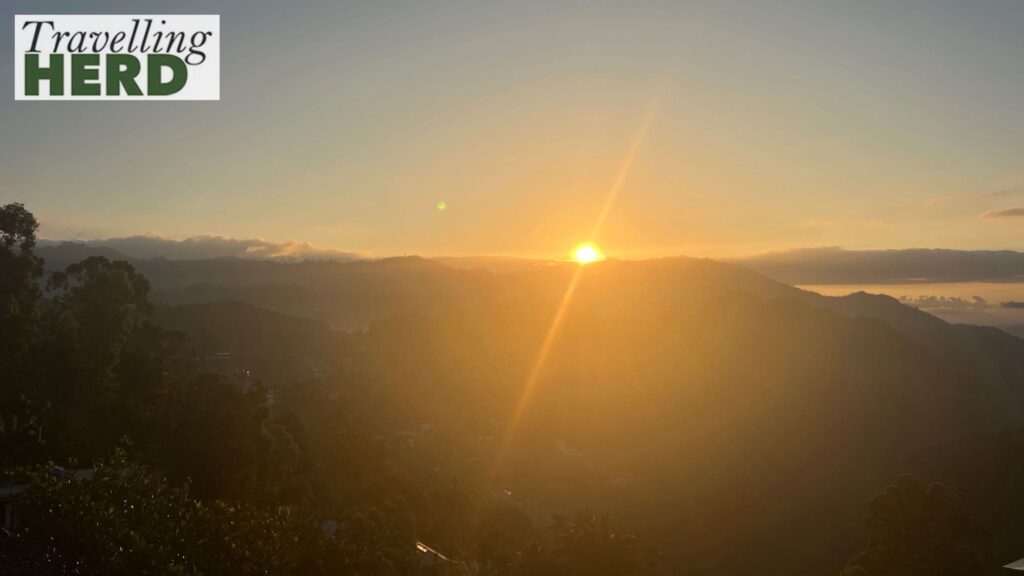
We awoke early in time to see the sunrise from our balcony. We had already decided we would go for some retail therapy in Ella and the hotel ordered us a tuk tuk to take us down the hill after breakfast.
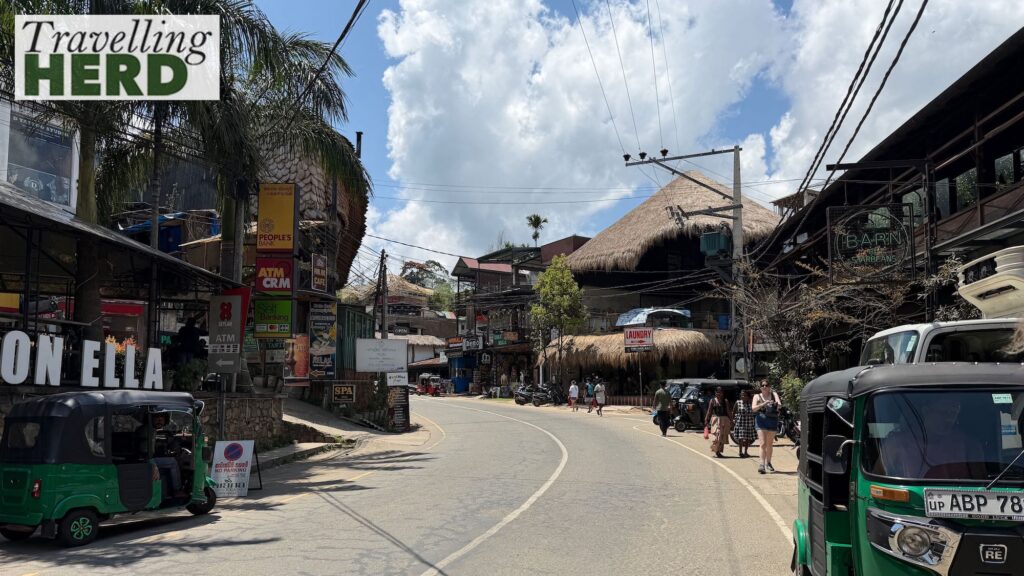
The main thoroughfare in Ella is called Badulla Road and is lined with bars, many with balconies overlooking the road, and small shops selling clothing and tourist mementoes. Anyone who has shopped with Robert will know that he does not really understand the concept of browsing. We had to walk up one side and then down the other to make sure we had seen all the merchandise on offer.
Robert found a shirt on the reduced rail in one shop and pronounced the shopping trip over and an outstanding success.
We did not feel we should spend the whole day in the town as this might lead to further purchases which we could not reasonably expect to fit in our luggage. We returned to the hotel so Matilda could try out the pool. Although the views were spectacular [see below], there were an awful lot of flies in the water and Matilda decided it was not exactly the experience she was hoping for.
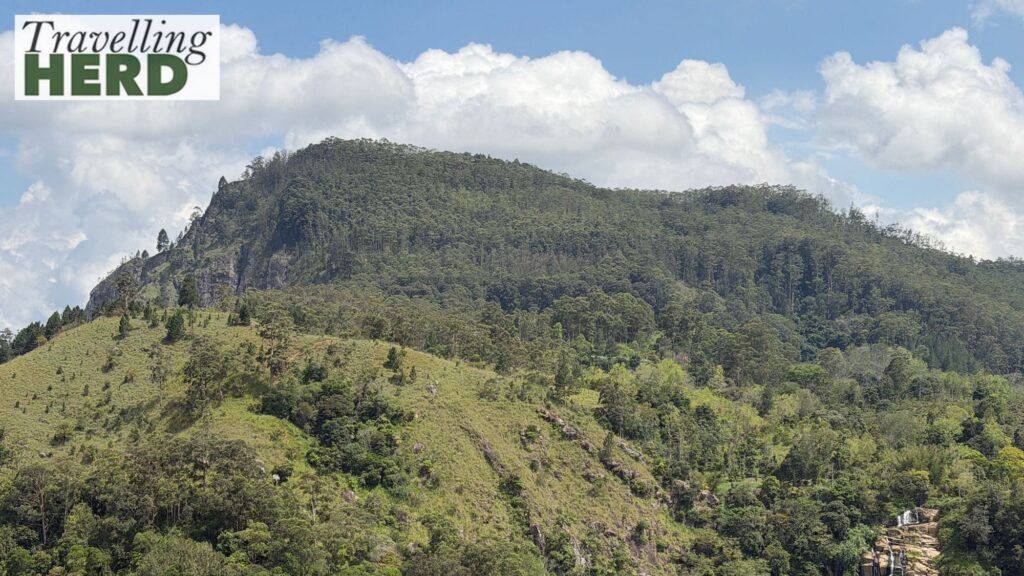
As she dried off and changed, Robert sat on our balcony and watched a team felling a palm tree.
We later returned to Badulla Road by tuk tuk which is in itself quite an experience [see Video of the day]. Ella is very geared up to tourists but manages to retain its local colour.
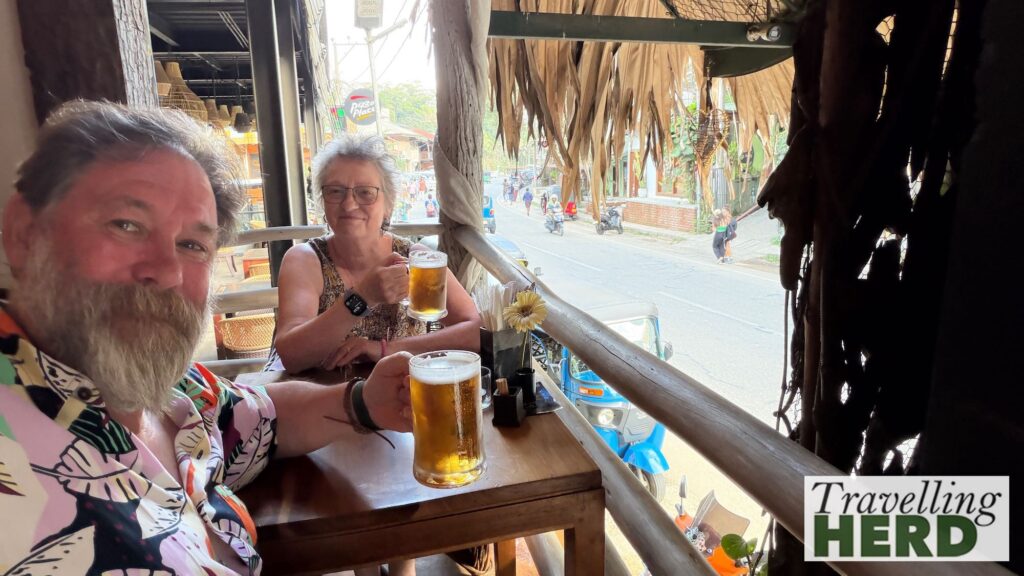
Several people had recommended Café Chill and we were not disappointed. Roadside balcony seats, cold beer and good food [see Dish of the day].
The following morning, on Wednesday, we were reunited with our driver and guide Dilanka and this allowed us to go further afield. He recommended visiting the Mahamevnawa Monastery in Bandarawela.
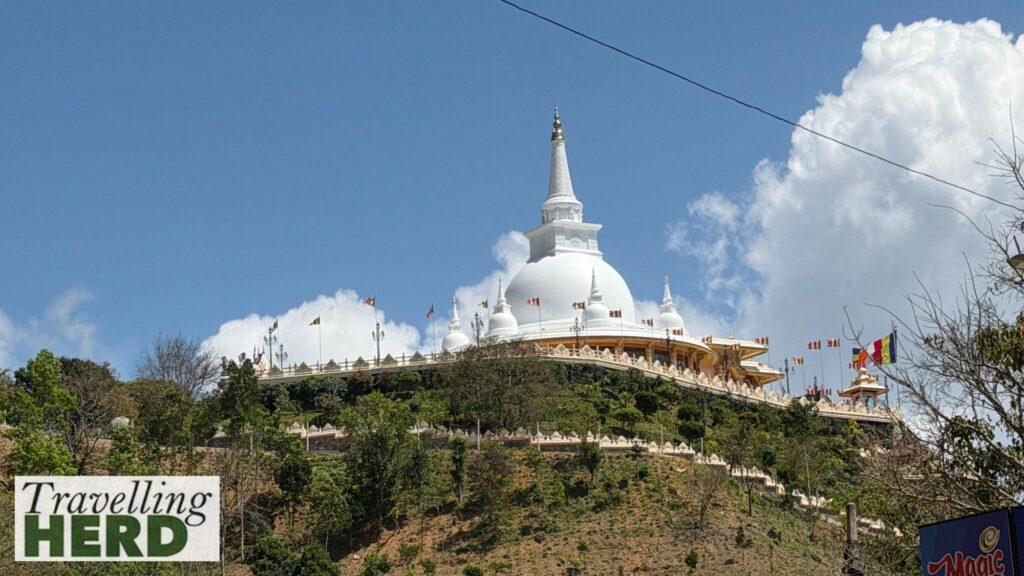
This is a relatively new monastery, completed in 2024, and it is now home to thirty Theravada Buddhist monks.
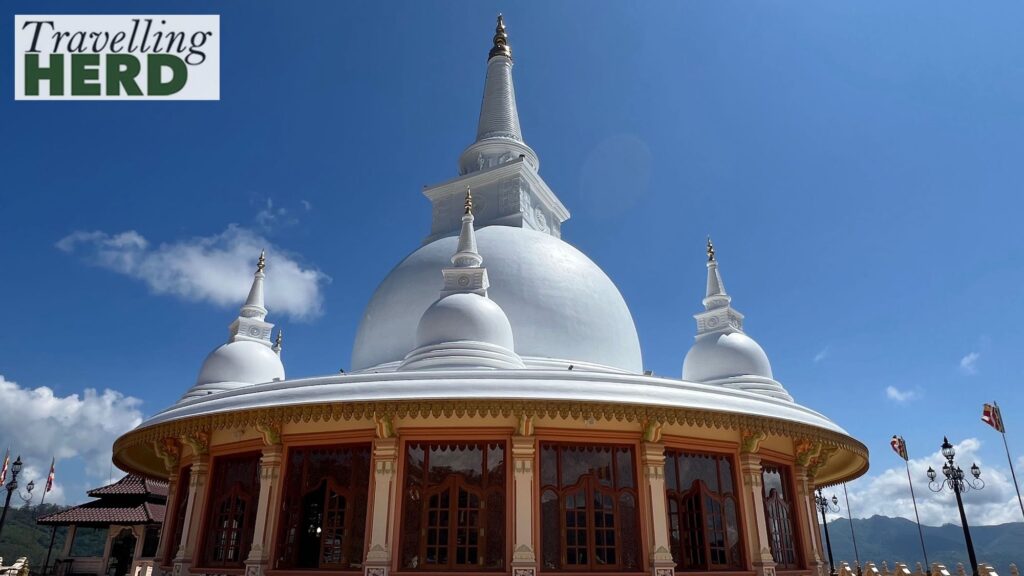
As with many temples in Sri Lanka it has multiple names which, for tourists, are not always obviously related to one another and can be confusing.
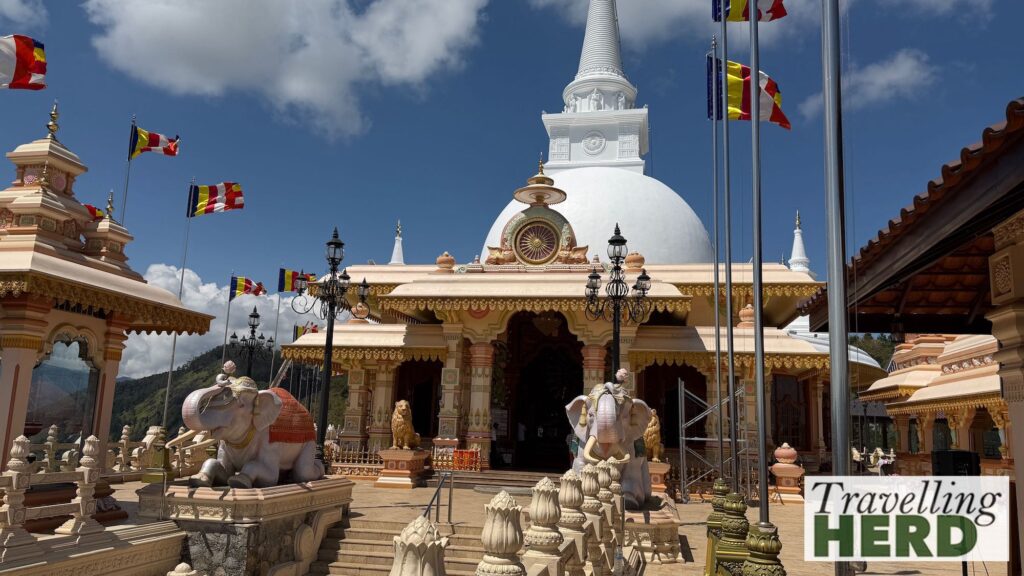
It is known as the Sri Sathbudu Maha Stupa [the Great Stupa of Seven Buddhas] and The Meditation Monastery as it is dedicated to meditation and teaching Buddha’s original doctrines. Visitors are encouraged to spend time meditating with a monk but Robert was not feeling very Zen at this point and we had ‘places to be’.
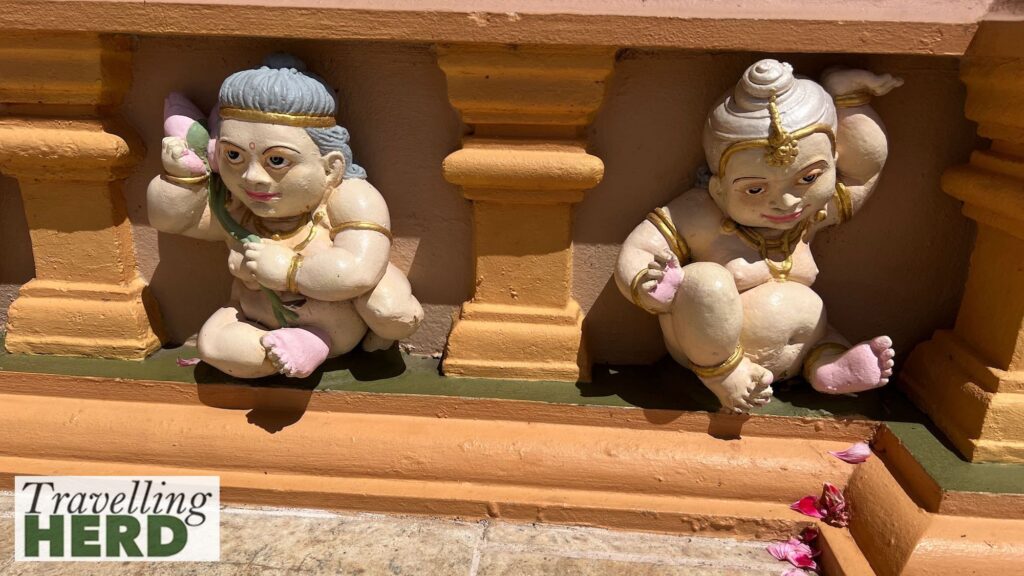
We have noticed that many of the temples we have visited feature cheerful carvings of dwarves. We first noticed them on the guard-stones in Anuradhapura. They symbolise loyal guardians providing protection for sacred relics and treasures as well as prosperity and the bearing of heavy burdens. They are often depicted with big bellies and smiling faces and are frequently seen on the riser on flights of steps up to stupas and temples.
Having visited the Mahamevnawa Monastery Dilanka took us to the Dowa Rock Temple, also known as Dhowa Rajamaha Viharaya. The rock temple itself is reminiscent of the Dambulla Cave Temple, with colourful paintings of the Buddha and murals all over the walls and ceiling. A small stupa stands at street level.
It is said that a tunnel, now sealed off, connected a cave called the Ravana Guhawa to the Ravana Maha Viharaya at Ella and the Bogoda Raja Maha Viharaya.
The famous image of the Buddha here [see below] is an example of Mahayana sculpture believed to have been started by King Walagamba in the first century during period of exile. According to tradition, he had to abandon the work and flee when his enemies discovered his hiding place. It is thought the sapu tree trunk, visible to the right of the carving, was used as scaffolding to facilitate the carving.

As Matilda was struggling to clamber up the uneven rock face to get a closer look at the 38 foot high Buddha statue, a charming, statuesque woman walked down towards her and literally offered her a helping hand. They exchanged few pleasantries.
When we got back into the car, our driver Dilanka asked if we knew who ‘had helped madam’. It seemed Matilda had been touched by greatness. We discovered that Bhoomi Harendran is a “Sri Lankan human rights activist, media personality, and advocate for the rights of the LGBTIQ+ community in Sri Lanka. She is also the Executive Director of the National Transgender Network of Sri Lanka and was a leading figure in the establishment of the legal process for transgender people to change their gender on official documentation.”
We had no idea who she was but Matilda found her to be beautiful, mindful and kind. She was also probably judging Robert for being four metres ahead and totally unaware his wife would have liked some assistance.
Dilanka said he wanted to take a photo but didn’t want to intrude on a celebrity’s private visit. Matilda wished he had.
The next stop was a tour of the Uva Halpewatte Tea Factory.
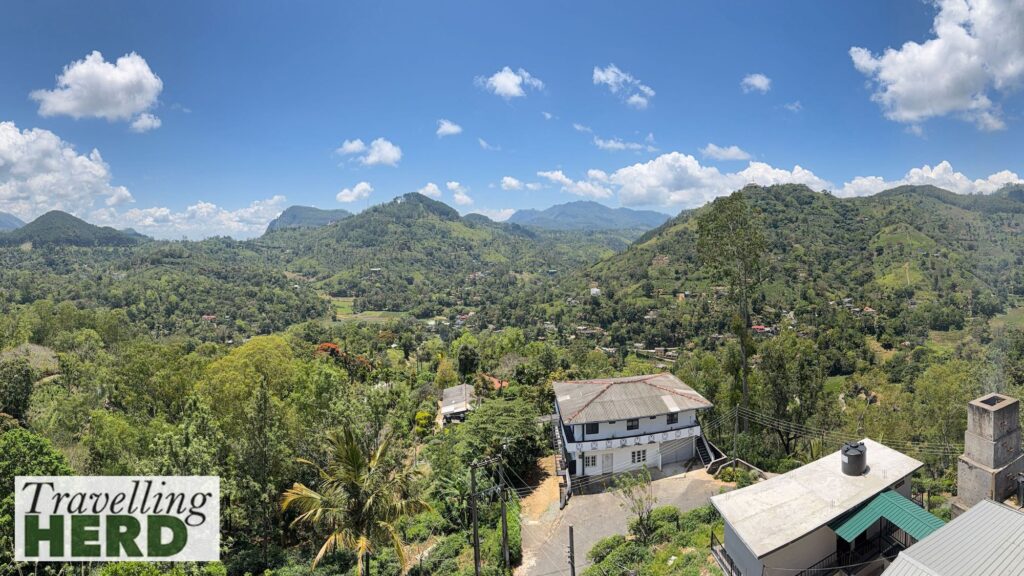
The factory was built in 1940, during the British rule, 1,230 meters above sea level in the cool climes of the Uva region, just six kilometres from Ella.
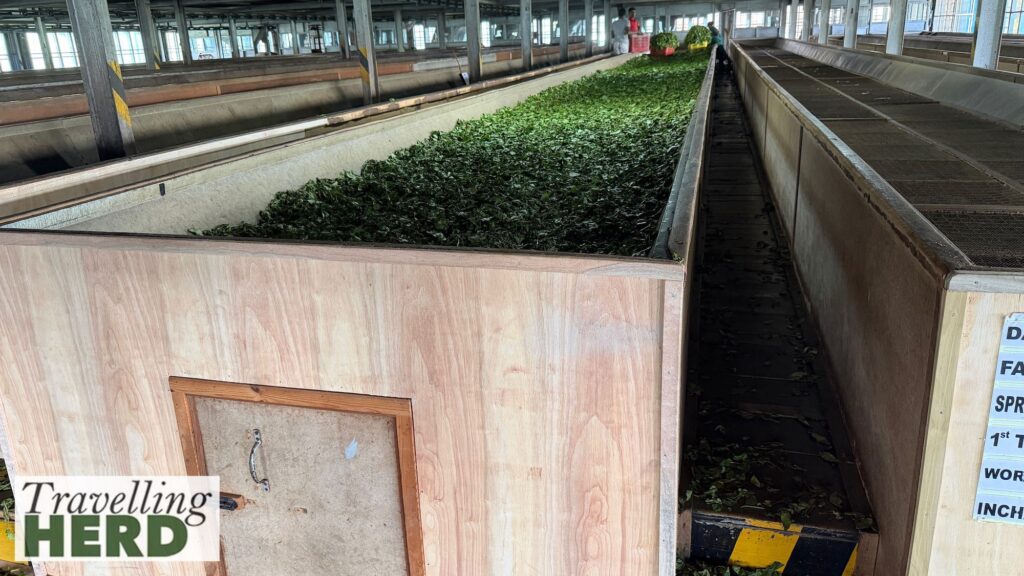
Having had the tea production processes explained to her three times, Matilda is beginning to understand and retain the information.
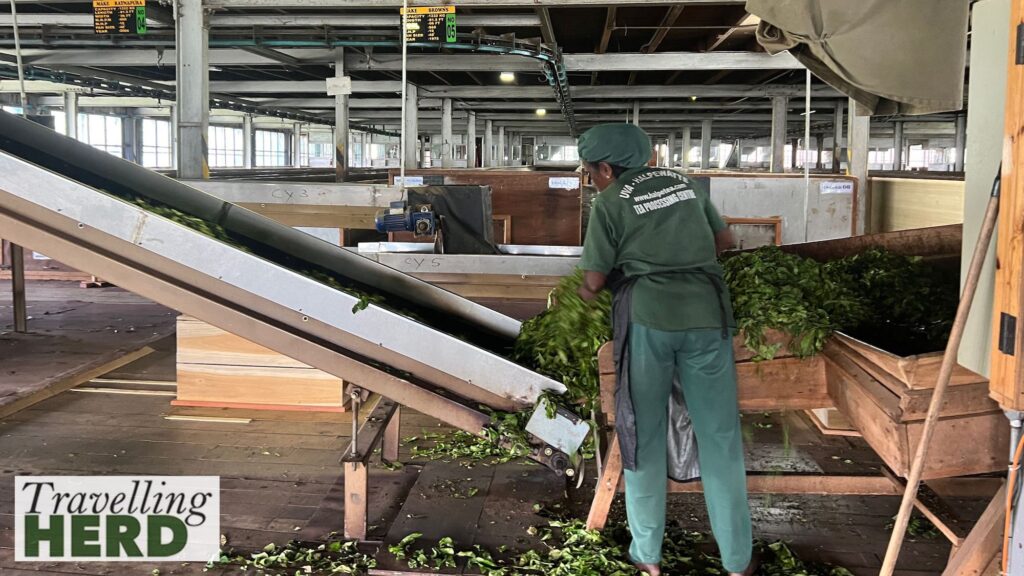
Pickers are apparently told to pluck just two leaves plus the bud, but as they want to maximise their yield by weight, they will apparently often ignore this instruction.
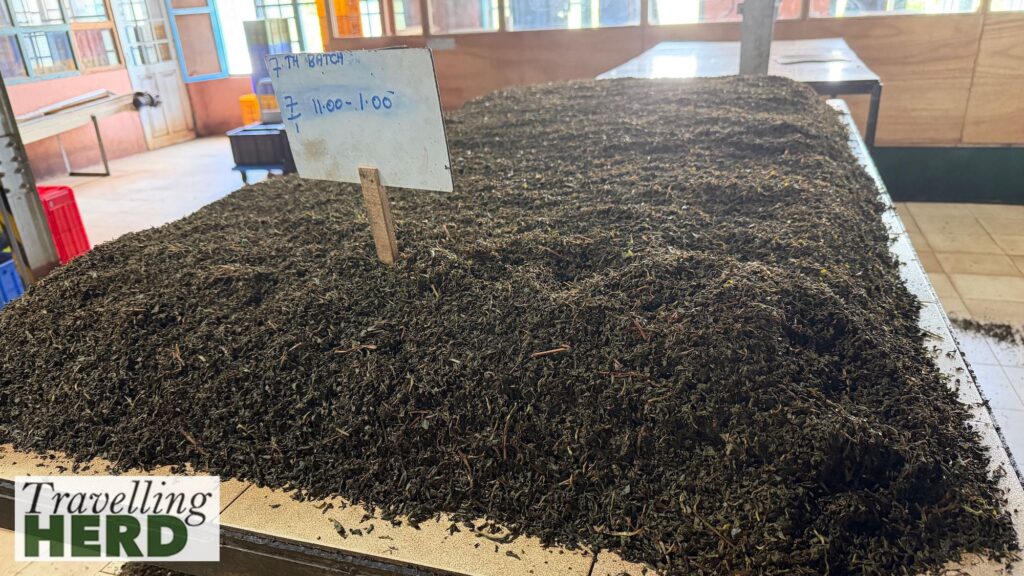
In a rather unexpected development which probably would not pass food hygiene standards in the UK, everyone on the tour was invited to put their hand into the fermenting leaves to feel the heat being generated.
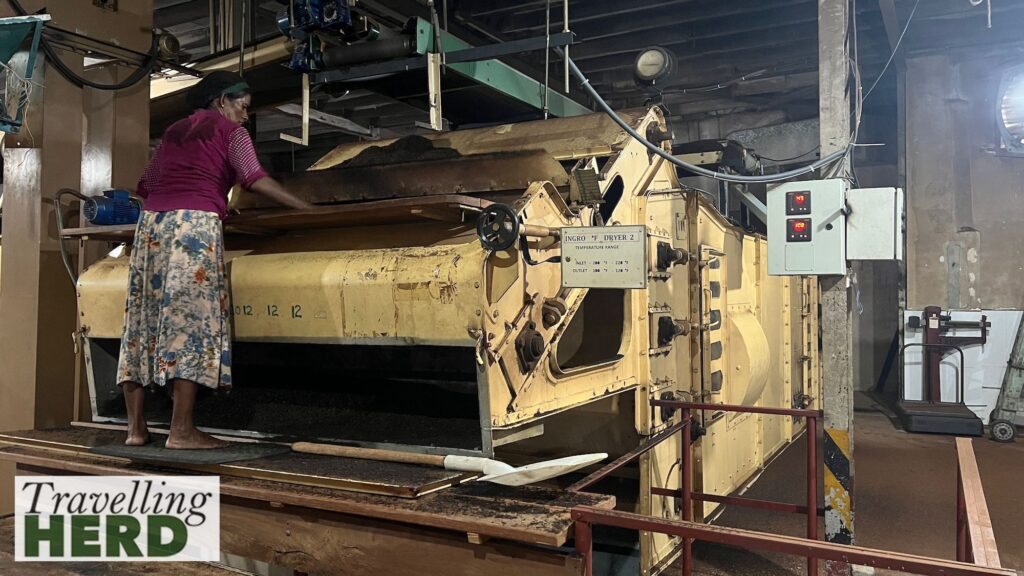
The drying area was very hot and we felt sorry for the workers assigned to this area. The tea is then mechanically sifted by size.
Our guide took samples as we passed through the factory to show us the different types and quality of tea defined by the size and colour of the particles.
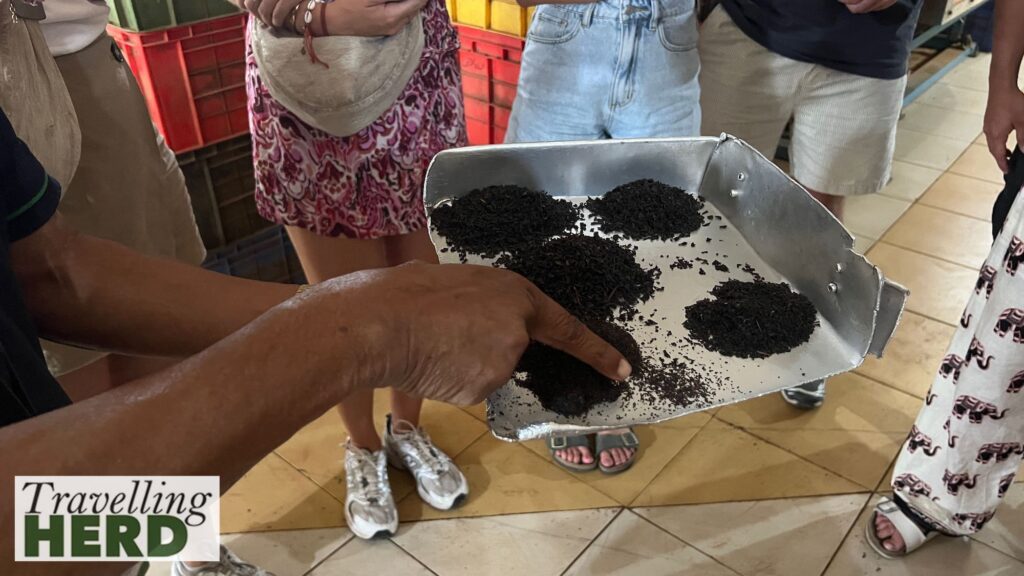
At the end of the tour we were all given seven or eight sample to try. We both preferred the lighter brews so unfortunately neither of us really enjoyed the prized fuller flavour of Ceylon tea.
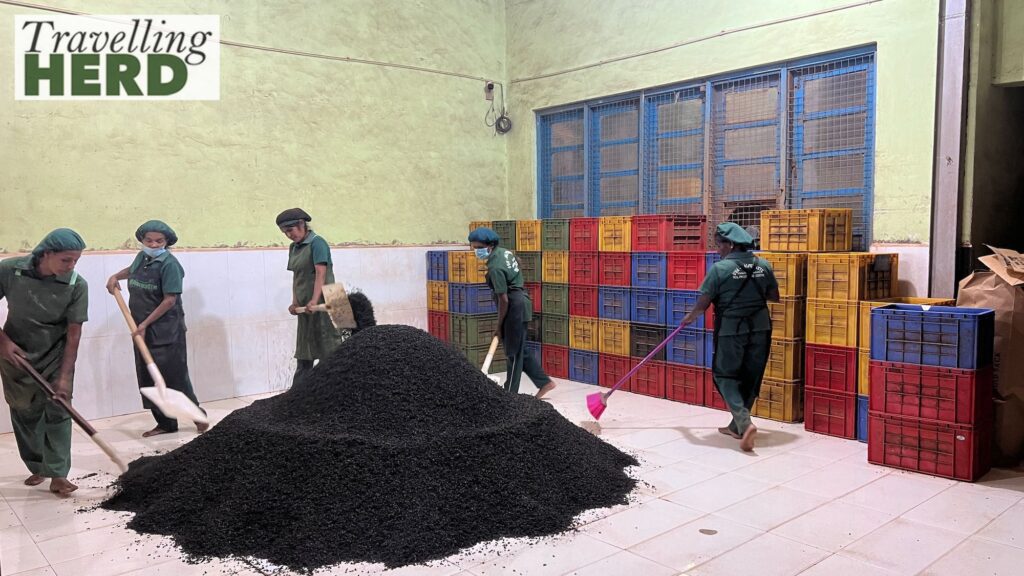
We were surprised by how manual some of the processes still are: we watched workers turn the tea leaves by hand after they had been dried.
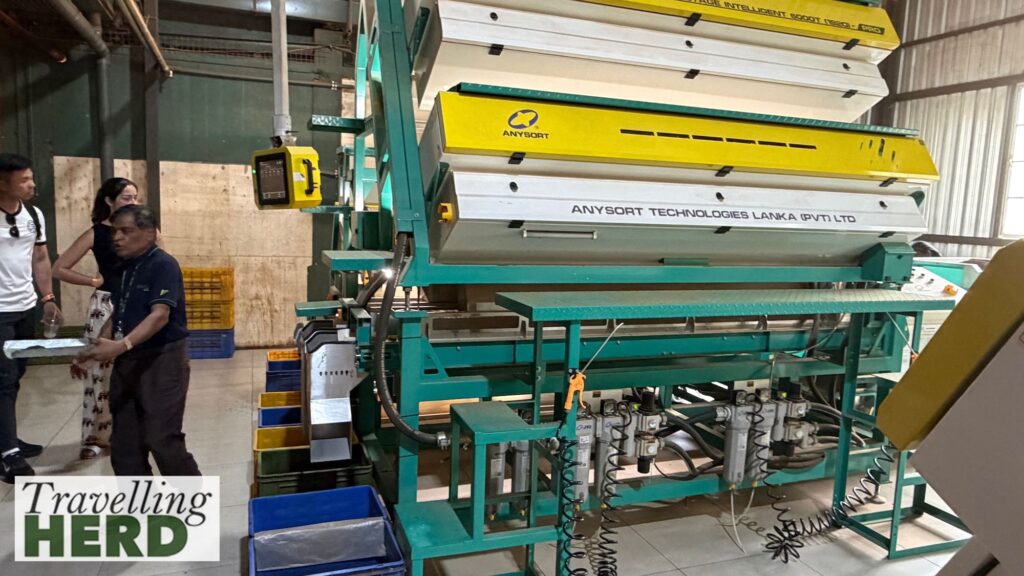
There was also a machine sorting the tea by colour which we had previously seen on our last tea factory visit.
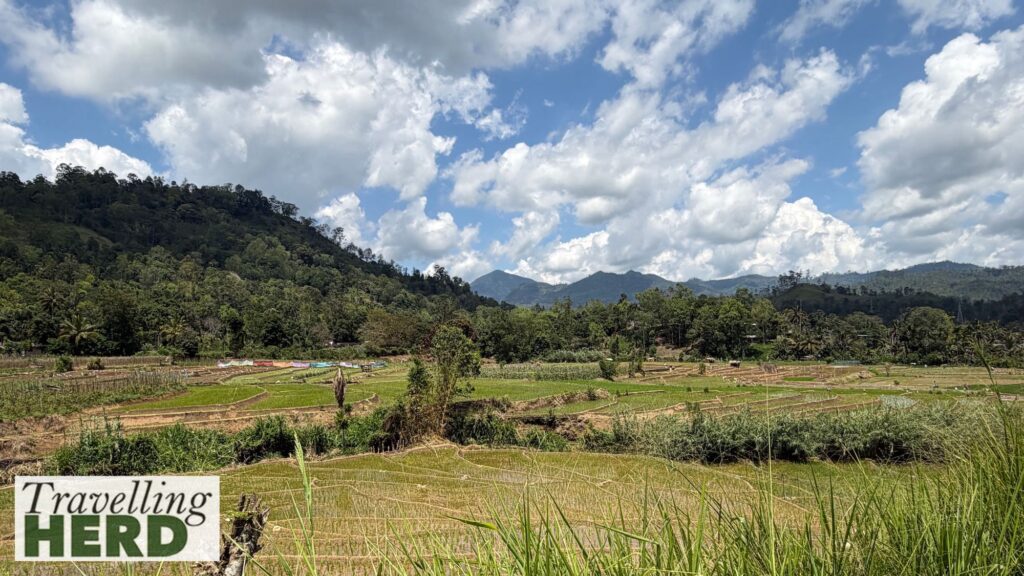
On the drive back we passed terraced paddy fields.
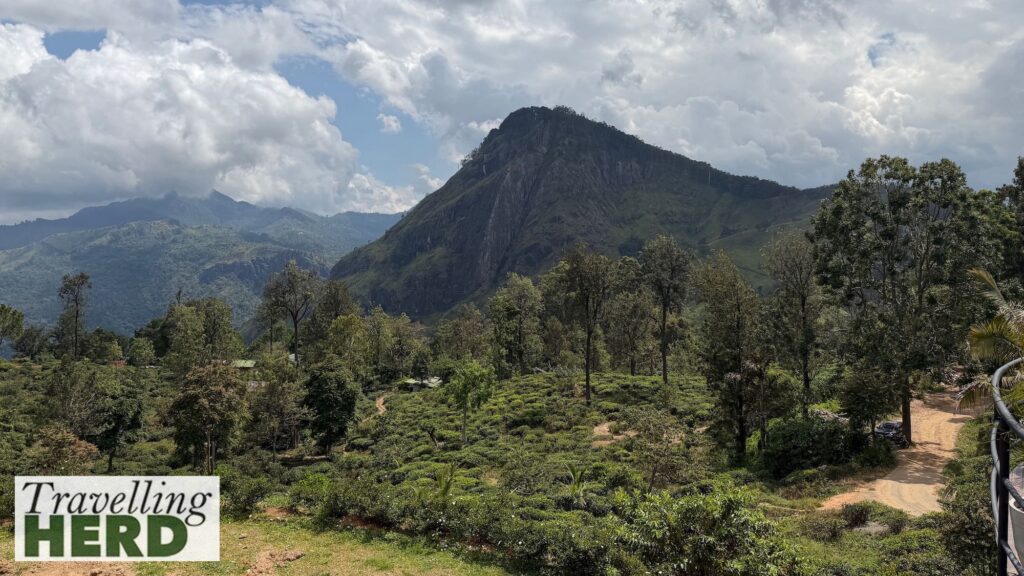
As we had transport, we thought we would like to visit the Ravana Pool Club which overlooks Adam’s Peak and Ella Rock and is visible from our hotel.
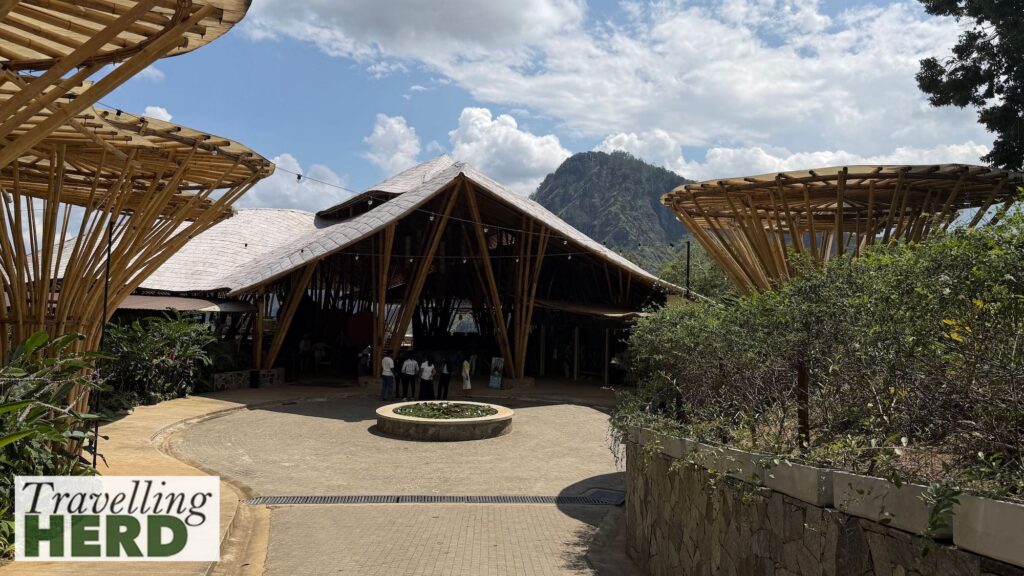
Various entry packages are available. We wanted to have a cold drink and admire the view. For this we were charged 1,000LKR each which was refundable off our bar bill.
For 25,000LKR [about £60] up to four people can enter, swim in the pool and enjoy a total of 7,000LKR off food and drinks.
We did not think we would get our money’s worth as a couple if we were to return to swim but the views were incredible [see Selfie of the day]. For the more adventurous there was a zip wire and an enormous swing, neither of which appealed to us.
Matilda chose a minty drink which when it arrived matched her T shirt.

We returned to the main street in Ella where the drinks were significantly cheaper. The mist was closing in and as we sat in the Chill Café we could see the clouds encroaching up Badulla Road.

Video of the day:
Selfie of the day:

Dish of the day:

Route Map:


Discover more from TravellingHerd
Subscribe to get the latest posts sent to your email.



One thought on “Sri Lanka ’26 #18: Temples and celebrities”
Having been to Sri Lanka in 2018 I am thoroughly enjoying your journey …..so many memorable places. As for the shopping I have a question; why are men wired differently? 🤣